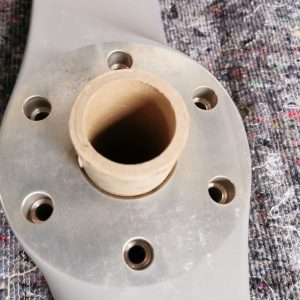
The Sensenich Propeller – P/N 74DM6-0-60
The shortened Sensenich 74DM6 Propeller description can improve search visibility, while the complete part number should remain available for technical review.
Whether described as a Sensenich Fixed-Pitch Propeller, Sensenich Aluminum Propeller, Fixed-Pitch Aluminum Propeller, or Aluminum Aircraft Propeller, the individual unit should receive professional inspection before installation.
A Lycoming O-320 Propeller may only be appropriate for selected engine and airframe combinations, even when the basic engine family appears compatible.
The Certified Aircraft Propeller description should distinguish the approved propeller design from the current serviceability and installation eligibility of the individual unit.
Identifying the Sensenich Propeller Correctly
The complete propeller designation should be verified through the manufacturer data plate, hub markings, blade markings, serial number, original records, packaging labels, photographs, and available Sensenich technical information.
The serial number should match all supplied invoices, manufacturer documents, inspection records, and release paperwork.
Evaluating an Unused Sensenich Propeller
The phrase new and never installed generally means that the propeller has not been operated in flight or permanently mounted on an aircraft.
Detailed condition evidence supports responsible marketing of the Sensenich Propeller – P/N 74DM6-0-60
Evaluating General Aviation Propeller Requirements
A fixed-pitch propeller uses blade geometry manufactured or adjusted for a defined range of engine and aircraft operating conditions.
Fixed-pitch simplicity can reduce mechanical complexity compared with variable-pitch or constant-speed systems, but it does not eliminate inspection, balance, tracking, and maintenance requirements.
Protecting Aluminum Propeller Surfaces
Even a new and never-installed propeller should be checked for handling marks, coating defects, scratches, dents, and environmental exposure.
Harsh cleaners, abrasive pads, unapproved polishing, and uncontrolled sanding should be avoided because they may damage the finish or alter blade surfaces.
Measuring the 74DM6 Propeller
The measurement should not be assumed from packaging labels or seller estimates alone.
A difference between documented and measured dimensions should be investigated before installation.
Blade Pitch and Engine Loading
The 60-inch pitch designation is an important specification that should be verified through model markings, suitable technical data, and professional measurement when required.
A blade-to-blade pitch difference can contribute to vibration, reduced efficiency, and unequal aerodynamic loading.
Lycoming O-320 Propeller Compatibility
A propeller approved for one O-320-powered aircraft may not be approved for another aircraft using a different engine variant, airframe, spinner, or installation configuration.
Aircraft modifications, engine conversions, supplemental approvals, spinner changes, cowling alterations, and landing-gear configurations may influence propeller eligibility or clearance.
Evaluating Both Propeller Blades
Blade comparison should include the faces, backs, roots, leading edges, trailing edges, tips, and hub transitions.
Unexplained grinding, drilling, filing, material removal, or attached weights should receive professional review.
Preparing the Replacement Aircraft Propeller
The mounting face should remain clean, flat, protected, and free from defects that could prevent correct seating.
The propeller should never be drilled, forced, or modified to fit an incompatible engine flange.
Evaluating Scratches, Dents, and Finish Damage
Blade faces and backs should be examined for pressure marks, stains, chemical exposure, paint defects, surface distortion, and trapped contamination.
Protective wrapping can sometimes conceal moisture staining or abrasion caused by movement inside the packaging.
Maintaining the Factory Finish
The hub, bolt holes, blade roots, edges, and areas beneath packaging deserve particular attention.
The factory finish should remain protected from abrasive materials, harsh cleaners, adhesives, chemical vapors, and trapped moisture.
Supporting Installation Eligibility
The buyer should confirm the data plate, serial number, production information, conformity records, release documents, and exact approved aircraft application.
Installation eligibility depends on the exact aircraft, engine, configuration, approved data, and applicable maintenance requirements.
Maintaining Aircraft Propeller History
Conflicting or incomplete identification should be resolved before payment or installation.
Documentation associated with a planned aircraft installation does not independently approve another aircraft application.
Buying the Sensenich 74DM6-0-60
A pre-purchase review should confirm the complete model, serial number, diameter, pitch, blade count, hub configuration, mounting pattern, manufacturing information, storage history, physical condition, applicability, and documentation.
- Resolve identity, applicability, dimensions, condition, and package-completeness questions before payment.
- Confirm the manufacture or purchase date, storage duration, environmental conditions, preservation method, ownership history, and absence of operating time.
- Retain photographs, serial information, measurements, purchase records, inspection reports, release documents, and freight paperwork with the aircraft project file.
Aircraft Propeller Crating Requirements
Moisture-resistant wrapping may be appropriate when it does not trap condensation against the aluminum.
Careful freight preparation reduces damage risk to the Sensenich Aircraft Propeller.
Long-Term Aluminum Propeller Storage
Storage supports should avoid concentrating weight on blade tips, edges, or thin blade surfaces.
The unit should not be stored directly on damp concrete, exposed ground, unstable shelving, or areas vulnerable to roof leaks.
Preparing for Ground and Flight Checks
Installation should be completed by appropriately qualified aviation maintenance personnel using applicable aircraft, engine, propeller, spinner, and hardware information.
Blade tracking should be evaluated after mounting.
Authorized personnel should complete all required maintenance records and return-to-service actions.
Protecting Long-Term Propeller Condition
Routine maintenance should include inspection of blade faces, backs, leading edges, trailing edges, tips, hub, mounting hardware, spinner components, blade tracking, finish, and signs of corrosion or movement.
The propeller should receive additional inspection after a suspected strike, sudden engine stoppage, overspeed, severe vibration, loose installation, lightning-related concern, or transportation impact.
Evaluating Never-Installed Propeller Pricing
Propellers with clear photographs, complete records, transparent storage history, and verified condition are easier for professional buyers to evaluate.
Availability of qualified maintenance support and approved installation data can influence long-term ownership value.
New, Never Installed
The Sensenich Propeller – P/N 74DM6-0-60
Careful technical and commercial review can reduce compatibility problems, missing-hardware expenses, storage-related concerns, installation delays, inspection costs, and documentation issues.
Whether the requirement is a Sensenich Propeller P/N 74DM6-0-60, Sensenich 74DM6 Propeller, Certified Aircraft Propeller or 74DM6-0-60 Aircraft Propeller, exact identification should guide the purchase.
New, Never Installed can deliver a professional combination of fixed-pitch simplicity, aluminum construction, replacement value, and general aviation application potential.